Regenerative aesthetics applies principles of regenerative medicine to restore and enhance skin health and appearance by stimulating endogenous repair.
Rather than surface correction, these approaches aim to modulate inflammation, oxidative stress, fibroblast function, collagen architecture, and dermal microenvironments.
Key actors include stem cells and exosomes. Their shared goal is dermal and adnexal remodeling through cell-to-cell signaling, not merely replacement of tissue.
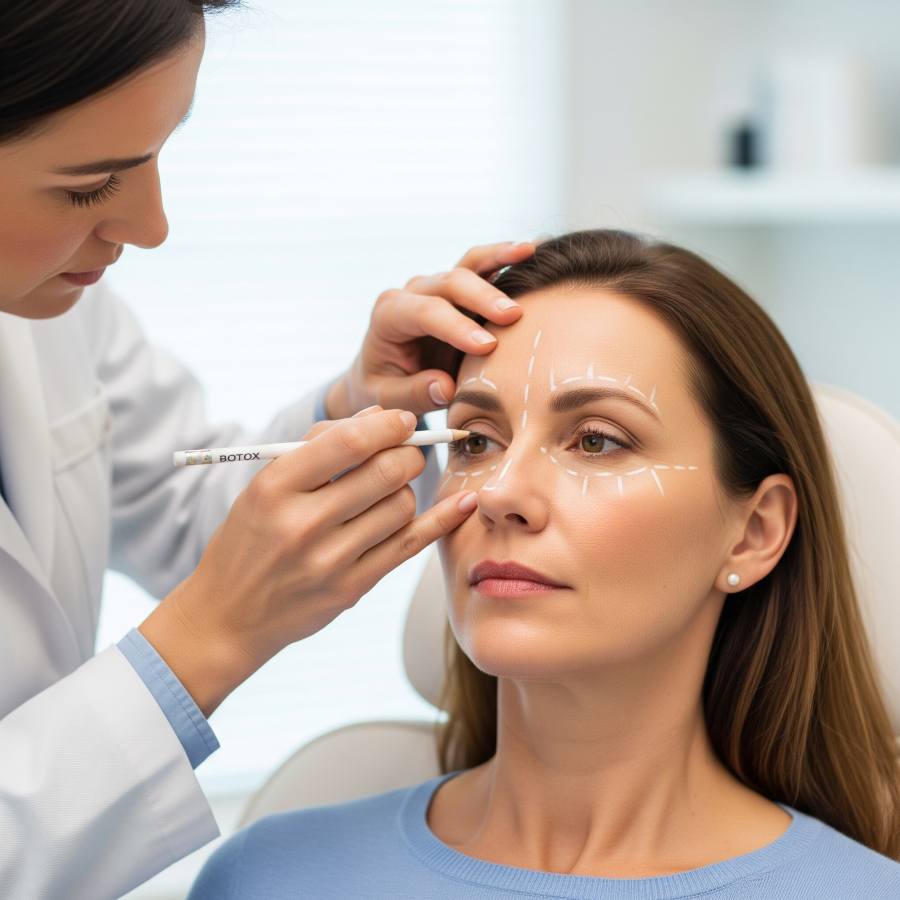
In aesthetic settings, the practical and regulatory challenges of live cell use push clinicians toward paracrine products—especially exosomes—thought to carry much of the regenerative signaling.
Exosomes deliver targeted regenerative “messages” without the logistics of live cells—facilitating standardization and integration with device-based treatments.
Did You Know
Adipose-derived MSC exosomes increased dermal thickness and reduced oxidative stress in preclinical models; some reports cite a sizable reduction in oxidative stress versus control comparators.
iPSC-derived exosomes have been shown to protect against UV-induced collagenase expression (e.g., MMP-1, MMP-3).
None of the exosome-based cosmetic therapies has FDA approval as of 2025; standardization of dosing, product characterization, and long-term safety are active gaps.
Early clinical signals are promising, especially as adjuncts to device-based treatments, but standardized dosing, product comparability, and long-term safety remain under-defined.
Balance enthusiasm with evidence: rigorously vet suppliers, document outcomes internally, and avoid overpromising while studies scale.
Are you interested in learning more or considering a course on regenerative aesthetics? Sign up here to be the first to know about our upcoming training opportunities in stem cell and exosome therapies!