RF Microneedling for Melasma: New Safety Data for Darker Skin
New randomized trial data confirms RF microneedling as a safe, effective standalone treatment for melasma in Fitzpatrick III-IV skin. Here’s what the evidence means for your protocols.

New randomized trial data confirms RF microneedling as a safe, effective standalone treatment for melasma in Fitzpatrick III-IV skin. Here’s what the evidence means for your protocols.

Physicians entering aesthetic medicine know how to diagnose. The consultation is different — it’s a goals-based conversation, not a problem-solving session. Here’s how to structure one that works.

hysicians entering aesthetic medicine know how to diagnose. The consultation is different — it’s a goals-based conversation, not a problem-solving session. Here’s how to structure one that works.
April’s clinical and business signals point in the same direction: the practices growing most consistently right now are those expanding their definition of who their patient is. From menopausal skin protocols to GLP-1 consult frameworks and wellness integration strategies, this month’s update covers what to implement now and what to keep on your radar.

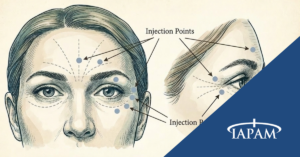
This clinical reference guide covers the FDA-approved indications, reconstitution protocols, dosing, off-label applications, technique principles, and patient screening criteria for Botox® Cosmetic (onabotulinumtoxinA), updated to reflect the October 2024 prescribing information. It is written for licensed aesthetic providers — MDs, DOs, NPs, PAs, RNs, and dentists — who are entering aesthetic injection practice or conducting a clinical knowledge review.

A recombinant botulinum toxin type A called YY001 recently completed a Phase III trial showing favorable efficacy and safety results compared to onabotulinumtoxinA for glabellar lines. While the product is not available in the United States, understanding how recombinant toxins differ from traditional formulations helps aesthetic providers evaluate emerging data and marketing claims.

Patients are already asking about the salmon facial. Here’s what the clinical evidence shows, why the U.S. entry point is lower than most providers expect, and how to evaluate it as a revenue opportunity for your practice.

PDRN salmon facials are showing up in patient consultations whether providers are ready or not — and the practices that get ahead of it now stand to gain a high-margin, high-retention treatment with minimal barrier to entry. Here’s everything you need to know to make an informed decision about adding it to your menu.

Relfydess (relabotulinumtoxinA) is a ready-to-use, complex-free liquid neurotoxin with Phase 3 data supporting rapid onset and sustained improvement for glabellar lines and crow’s feet in many patients. Here’s what aesthetic providers need to know about its clinical profile—and how to prepare their practice before adding it to the menu.

Relfydess (relabotulinumtoxinA) is a ready-to-use, complex‑free liquid neurotoxin that promises rapid onset and extended duration for glabellar lines and crow’s feet. This guide reviews the clinical evidence, practical dosing considerations, and practice‑management implications so you can decide where it fits in your neurotoxin portfolio.