
How to Price Aesthetic Treatments in a Cash-Pay Practice
Setting prices for aesthetic treatments is different from billing insurance. Here’s a practical framework for benchmarking your market and building a fee structure that’s profitable.

Setting prices for aesthetic treatments is different from billing insurance. Here’s a practical framework for benchmarking your market and building a fee structure that’s profitable.

May 2026 brought a wave of new clinical data and market shifts that underscore a critical reality: prescribing a GLP-1 is only the beginning of obesity care. From managing the “off-ramp” of weight regain to addressing the complex reality of muscle mass changes, the need for structured, physician-led weight management programs has never been clearer.

A 2026 single-center observational study reports preliminary evidence that botulinum toxin may be deliverable transdermally for sebum reduction in oily and acne-prone skin. Here’s what the early data shows and what providers should watch for.
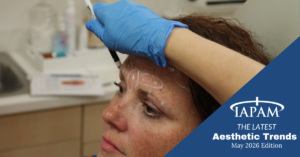
The May 2026 aesthetic medicine update covers a neurotoxin pipeline producing genuinely new options and a patient population that is outgrowing the standard consult model. Providers who act on this month’s clinical and business signals — from GLP-1 protocol updates to the growing male aesthetic market — will be better positioned heading into the second half of 2026.
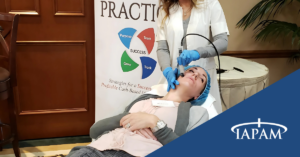
New randomized trial data confirms RF microneedling as a safe, effective standalone treatment for melasma in Fitzpatrick III-IV skin. Here’s what the evidence means for your protocols.
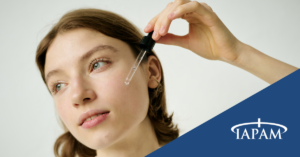
Physicians entering aesthetic medicine know how to diagnose. The consultation is different — it’s a goals-based conversation, not a problem-solving session. Here’s how to structure one that works.

hysicians entering aesthetic medicine know how to diagnose. The consultation is different — it’s a goals-based conversation, not a problem-solving session. Here’s how to structure one that works.

If you’ve been considering aesthetic medicine, 2026 may be the best entry window in years — a documented provider shortage, a wave of new patients, and a training path that’s more accessible than most providers realize. Here’s the realistic roadmap.

Not all regenerative aesthetics treatments are created equal — and in 2026, the evidence gap between them is wider than most product reps will tell you. Here’s an honest evidence rating for every major regenerative modality, plus a practical framework for talking to patients about what you can and can’t confidently offer.

Patients are arriving at aesthetic and weight management practices asking about NAD+. Here’s the clinical case for IV delivery, what the evidence actually shows, and how to build it into a practice already serving this patient.